Spider Lift Buying Guide: When It Is Better Than a Boom Lift

Quick Answer: Buy a Spider Lift When Access Is the Problem
A spider lift is usually the better choice when the jobsite is difficult to enter, the ground is soft or sensitive, or the machine must reach over obstacles from a compact setup area. A regular boom lift can be excellent on open construction sites, but it may be too wide, too heavy, or too limited by ground conditions for landscaping, tree care, facility maintenance, and narrow-access projects.
For buyers comparing options, the key question is not only working height. Ask whether the lift can physically reach the job area, set up safely, protect the ground, and provide enough outreach for the work. If the answer is uncertain, a crawler spider boom lift may deserve serious consideration.
What Is a Spider Lift?
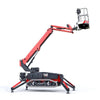
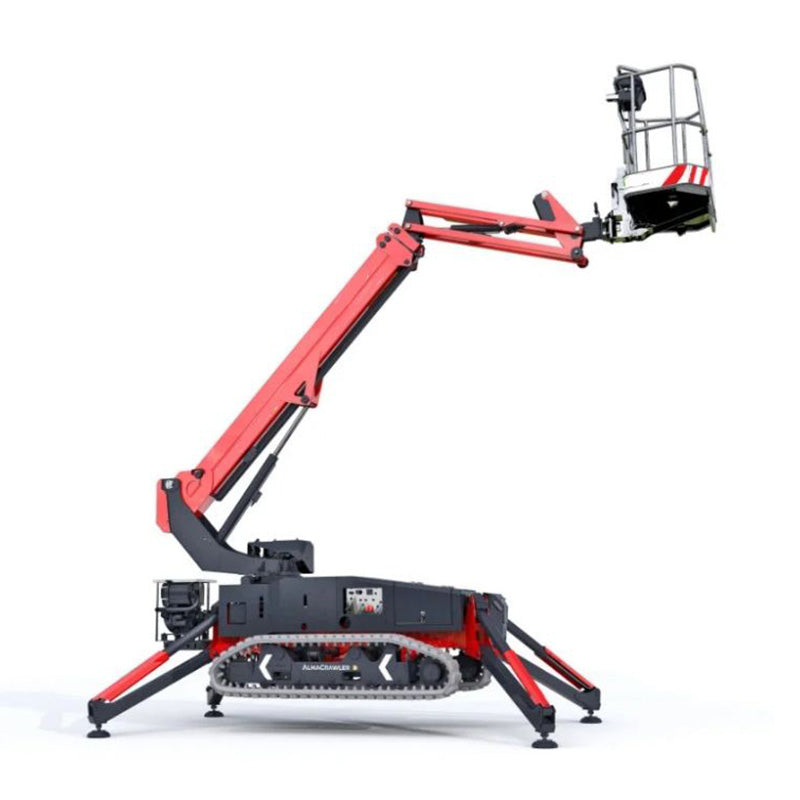
A spider lift, also called a crawler spider boom lift, is a compact aerial work platform with rubber tracks, folding or articulated boom sections, and stabilizing outriggers. The tracked base helps the machine travel over grass, mud, uneven surfaces, and narrow access paths. The outriggers then create a stable working setup before the boom is elevated.
Coman spider boom lifts are designed with platform heights from 8 m to 19 m and working heights from about 10 m to 19.3 m, depending on model. The range is built for buyers who need compact access, crawler mobility, and precise positioning in locations where a wheeled boom lift may be difficult to use.
When a Spider Lift Is Better Than a Regular Boom Lift
1. Narrow Access Paths
If the machine must pass through a gate, courtyard, narrow driveway, public building entrance, or landscaped path, a spider lift can be easier to move into position. Its compact crawler chassis is useful when a full-size boom lift cannot reach the work area without removing barriers or creating site disruption.
2. Soft or Sensitive Ground
Rubber tracks spread weight more evenly than many wheeled machines, helping reduce ground pressure on grass, parks, gardens, and finished surfaces. This does not remove the need for ground assessment, but it can make the spider lift a more practical choice for landscaping and property maintenance work.
3. Uneven Outdoor Sites
Spider lifts are often used where the travel route includes slopes, uneven ground, or mixed surfaces. Once positioned, outriggers support the machine for elevated operation. Buyers should still confirm slope limits, outrigger footprint, ground bearing capacity, and setup requirements with the supplier before choosing a model.
4. Up-and-Over Work Near Obstacles
Tree branches, walls, fences, machinery, roof edges, and landscape features can block direct vertical access. A spider boom lift gives the operator both height and outreach, allowing the platform to approach the work point without placing the machine directly below it.
Common Spider Lift Applications
- Tree care, pruning, and landscaping work
- Building facade inspection and maintenance
- Roof-edge access and gutter maintenance
- Public facility and courtyard maintenance
- Indoor atrium, hall, or narrow-entry access where floor loading allows
- Solar panel, signage, and lighting work around obstacles
- Maintenance in gardens, parks, resorts, and residential compounds

Spider Lift vs Towable Boom Lift vs Truck-Mounted Boom Lift
| Machine Type | Best For | Main Limitation |
|---|---|---|
| Spider lift | Narrow access, soft ground, landscaping, compact setup | Requires outrigger setup and careful ground assessment |
| Towable boom lift | Jobsites where trailer transport and simple setup are priorities | Less suitable for very soft or narrow access paths |
| Truck-mounted boom lift | Roadside, utility, lighting, and mobile service work | Needs vehicle access and enough parking/setup space |
| Regular wheeled boom lift | Open construction sites and hard, prepared surfaces | Can be too heavy or wide for sensitive or confined sites |
A spider lift is not automatically better than every boom lift. It is better when access, ground protection, and compact positioning matter more than travel speed or heavy-duty open-site productivity.
7 Buying Factors to Check Before Choosing a Spider Lift
1. Working Height and Platform Height
Working height should match the real task, not just the building or tree height. Consider where the operator's hands need to work, whether branches or structures block the platform path, and whether the lift can be set up close enough for useful outreach.
2. Horizontal Outreach
Outreach is often the reason buyers choose a spider lift. Check the working radius at the platform load you expect to use. A lift may reach a certain height, but its usable outreach can change depending on platform load, boom position, and stability limits.
3. Access Width and Transport Route
Measure gates, doors, paths, ramps, elevators, and tight turns before selecting a model. A compact spider lift is valuable only if it can travel from the delivery point to the actual work area.
4. Ground Bearing Capacity
Outriggers transfer load into the ground. Before work starts, the site should be checked for soft soil, underground services, paving strength, slopes, drainage covers, and voids. For sensitive surfaces, outrigger pads or mats may be required.
5. Power Options
Electric spider lifts are useful for quiet and lower-emission work. Some models may offer engine or generator options to extend working time outdoors. Buyers should compare battery capacity, charging time, operating environment, and service requirements before choosing.
6. Platform Capacity
Add the operator, tools, and materials. Tree care tools, cleaning equipment, inspection gear, and repair parts all count toward the rated load. If two workers are needed in the platform, confirm that both capacity and platform space are suitable.
7. Service, Parts, and Training
Because spider lifts include crawler drive, boom controls, batteries or engines, and outrigger systems, after-sales support matters. Ask about manuals, spare parts, service response, operator training, and local compliance documents before placing an order.

Safety Points Buyers Should Not Skip
Spider lifts should be selected and operated according to the manufacturer's manual, site risk assessment, and local regulations. OSHA's aerial lift guidance highlights risks such as falls, tip-overs, contact with overhead objects, and crushing hazards. Official guidance is available at osha.gov.
For spider lift work, buyers should pay particular attention to ground stability, outrigger placement, overhead clearance, platform load, weather, operator training, and emergency lowering procedures. A compact machine still needs a disciplined setup process.
When Not to Choose a Spider Lift
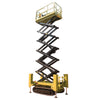
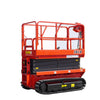
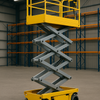
A spider lift may not be the best choice when the worksite is a large open construction area with hard ground and frequent long-distance driving. In that case, a diesel telescopic boom lift or articulated boom lift may be faster. If the task is simple vertical warehouse access, an electric scissor lift may be more cost-effective.
For a broader comparison of vertical access and outreach equipment, read our scissor lift vs boom lift guide.
Information to Send Before Requesting a Quote
- Required working height and outreach
- Photos or video of the work area
- Access width from unloading point to the job area
- Ground type: concrete, grass, soil, gravel, slope, or mixed surface
- Expected platform load: operators, tools, and materials
- Indoor or outdoor use ratio
- Battery, engine, or hybrid power preference
- Country or region for certification and shipping requirements
Final Recommendation
Choose a spider lift when your project requires compact access, crawler mobility, ground-friendly travel, and outreach over obstacles. Choose a regular boom lift when the site is open, firm, and easy to access. Choose a scissor lift when the work is mostly vertical and directly above the machine.
ComanLifting supplies crawler spider boom lifts and other boom lift aerial platforms for professional maintenance, landscaping, construction, and facility access. Send your working height, terrain, access path, and photos through the contact page, and our technical team can recommend a suitable model.
-
Publié dans
Aerial Work Platform, Boom Lift, Buying Guide, Crawler Lift, Safety, Spider Boom Lift, Spider Lift