What Is a Scissor Lift and How It Works(Full Article)
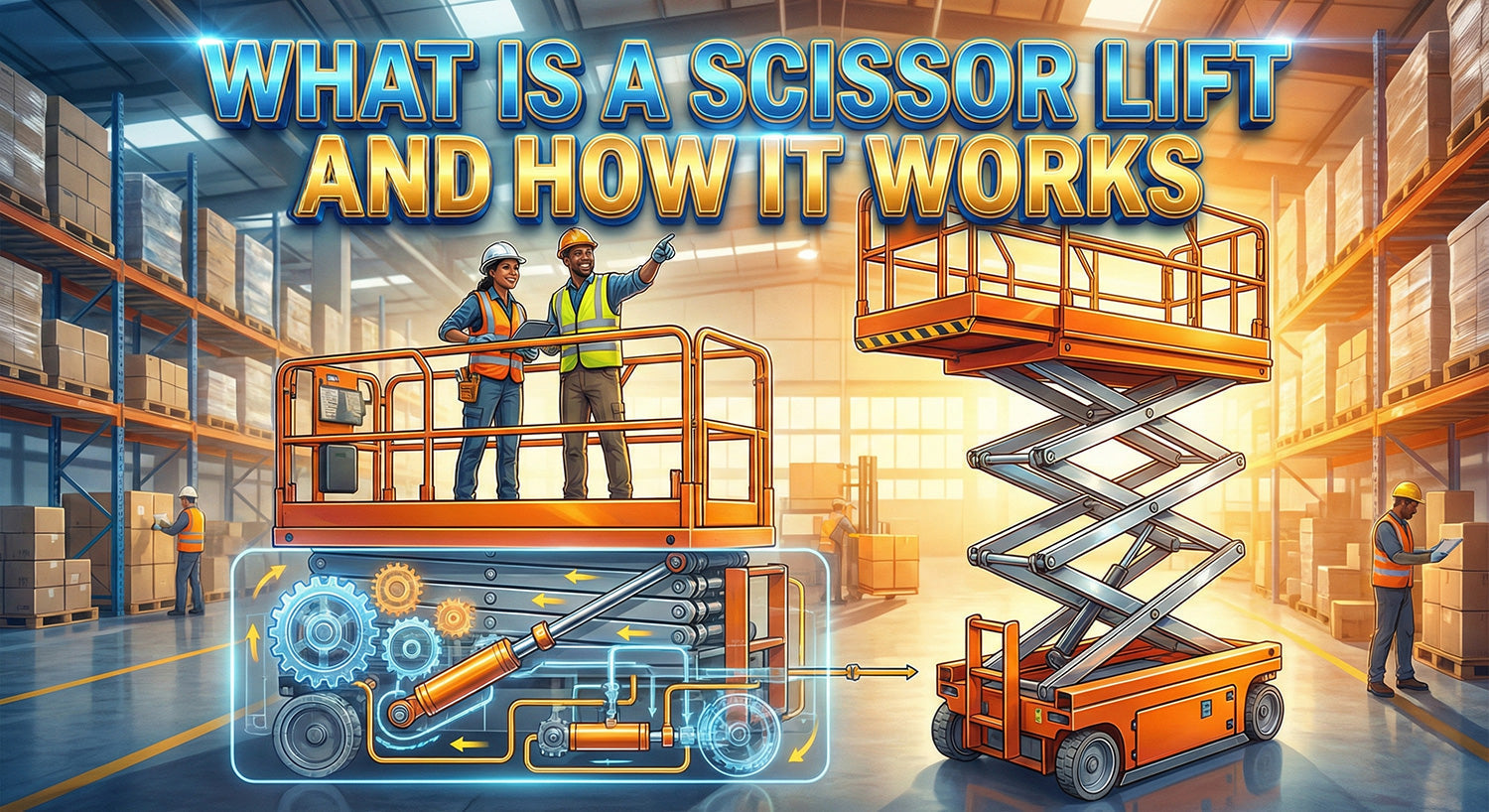
A scissor lift is one of the most common aerial working machines used in construction sites, warehouses, shopping malls, airports, and factory maintenance. It is designed to lift workers and tools to a higher position safely and efficiently. Compared with ladders or simple platforms, a scissor lift is more stable, easier to operate, and much safer for long-time work at height.
In our export experience, many customers first contact us without fully understanding what a scissor lift really is. Some of them only know the height they want, such as 6m or 10m, but do not understand the working principle or the difference between electric and hydraulic models. This article will help you understand how a scissor lift works and how to choose a suitable model for your project.
How a Scissor Lift Works
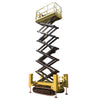
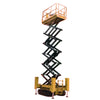
A scissor lift uses a “scissor-like” structure to move the platform up and down. The lifting structure is made of crossed steel arms that open and close like scissors. This design gives the machine strong stability during the lifting process.
Most scissor lifts today use one of two power systems:
1. Hydraulic System

The hydraulic pump pushes oil into the cylinder, creating pressure to lift the platform.
Advantages:
-
Strong power
-
High load capacity
-
Very stable
This type is suitable for heavy-duty work or outdoor jobs.
2. Electric (Battery) System

Electric scissor lifts run on maintenance-free batteries.
Advantages:
-
Low noise
-
Zero emission
-
Clean and suitable for indoor use (shopping malls, warehouses, hotels)
In the past few years, many European and American customers have shifted from diesel to electric models due to environmental requirements.
Main Components of a Scissor Lift
A professional scissor lift is mainly made of:
-
Platform / Guardrail – where the operator stands
-
Scissor Arms Structure – ensures stability
-
Hydraulic cylinder or electric motor – provides lifting power
-
Chassis with wheels – allows movement
-
Control panel – includes lifting, lowering, and emergency stop
Some customers also ask about optional parts like platform extension, non-marking tires, or maintenance-free batteries. These accessories affect the price but also improve user experience.
Where Scissor Lifts Are Commonly Used
In my daily work with overseas clients, I noticed that different regions have different application habits:
North America (USA / Canada)
-
Warehouse picking and maintenance
-
HVAC installation
-
Cleaning service companies
-
Rental companies (very big demand)

Europe
-
Indoor decoration
-
Airport terminal maintenance
-
Facility management
-
Supermarket maintenance
Middle East
-
High-temperature outdoor construction
-
Shopping mall maintenance
-
Stadium projects

Southeast Asia
-
Factory workshop repair
-
Electrical installation
-
Logistic centers

For export buyers, the most important thing is choosing a stable model that fits the working environment. A small mistake in configuration may cause a lot of trouble after the machine arrives.
Advantages of Using a Scissor Lift
From practical export experience, customers choose scissor lifts mainly because of these benefits:
1. Safe Working at Height
The platform has guardrails and emergency stop buttons. The structure is stable even at full height.
2. Easy to Operate
Workers can learn to use a scissor lift in a short time. Many customers told me their teams could operate it after a 20-minute training session.
3. Flexible Movement
Self-propelled scissor lifts can move while raised, increasing work efficiency.
4. Low Maintenance Cost
Modern electric models need very simple maintenance—mainly checking batteries, tires, hydraulic oil, and cleaning.
5. Fits Many Industries
One model can be used in different projects, which helps customers save budget.
Common Questions Customers Ask Us
Q1: What height should I choose?
This is the most common question.
Usually, we help customers choose based on “working height = platform height + 2 meters”.
Example:
If your working height is 8 meters, a 6-meter scissor lift is enough.
Q2: How much weight can a scissor lift carry?
Most lifts carry 230–450 kg depending on model size.
Q3: Can you deliver it to my country?
Yes. We export frequently to the USA, Europe, Middle East, and Asia.
We can ship by LCL, FCL, or even Ro-Ro for large orders.
Q4: Is it easy to repair?
Basic repairs like battery replacement or hydraulic oil change can be done locally.
We also send customers video guides and manuals.
How to Choose the Right Scissor Lift
Based on real cases from our customers, here are some simple tips:
-
Indoor use → choose electric models
-
Outdoor uneven ground → choose rough-terrain scissor lifts
-
Small warehouse aisles → choose mini scissor lifts
-
Long working hours → choose big battery capacity
-
High load requirements → choose heavy-duty hydraulic models
Before ordering, we always confirm working height, load capacity, using environment, and platform size with customers. This avoids misunderstanding and ensures the machine is suitable.
Final Thoughts
A scissor lift is a safe, efficient, and practical tool for working at height. Understanding how it works helps you select the right model and avoid unnecessary costs. We have helped many customers choose the correct lift based on their real projects, and in most cases, they appreciate our professional suggestions because it saved them money and time.
If you are planning to buy a scissor lift or want to know which model fits your project, feel free to contact our team.
We can provide professional recommendations and a quick quotation based on your requirements.